5 Common Myths About Pressure Washing Debunked
Understanding Pressure Washing
Pressure washing is a popular method for cleaning various surfaces, but it's often misunderstood. Many myths surround this powerful cleaning technique, leading to confusion and sometimes misuse. In this post, we aim to debunk five common myths about pressure washing.
Myth 1: Pressure Washing Is Only for Professionals
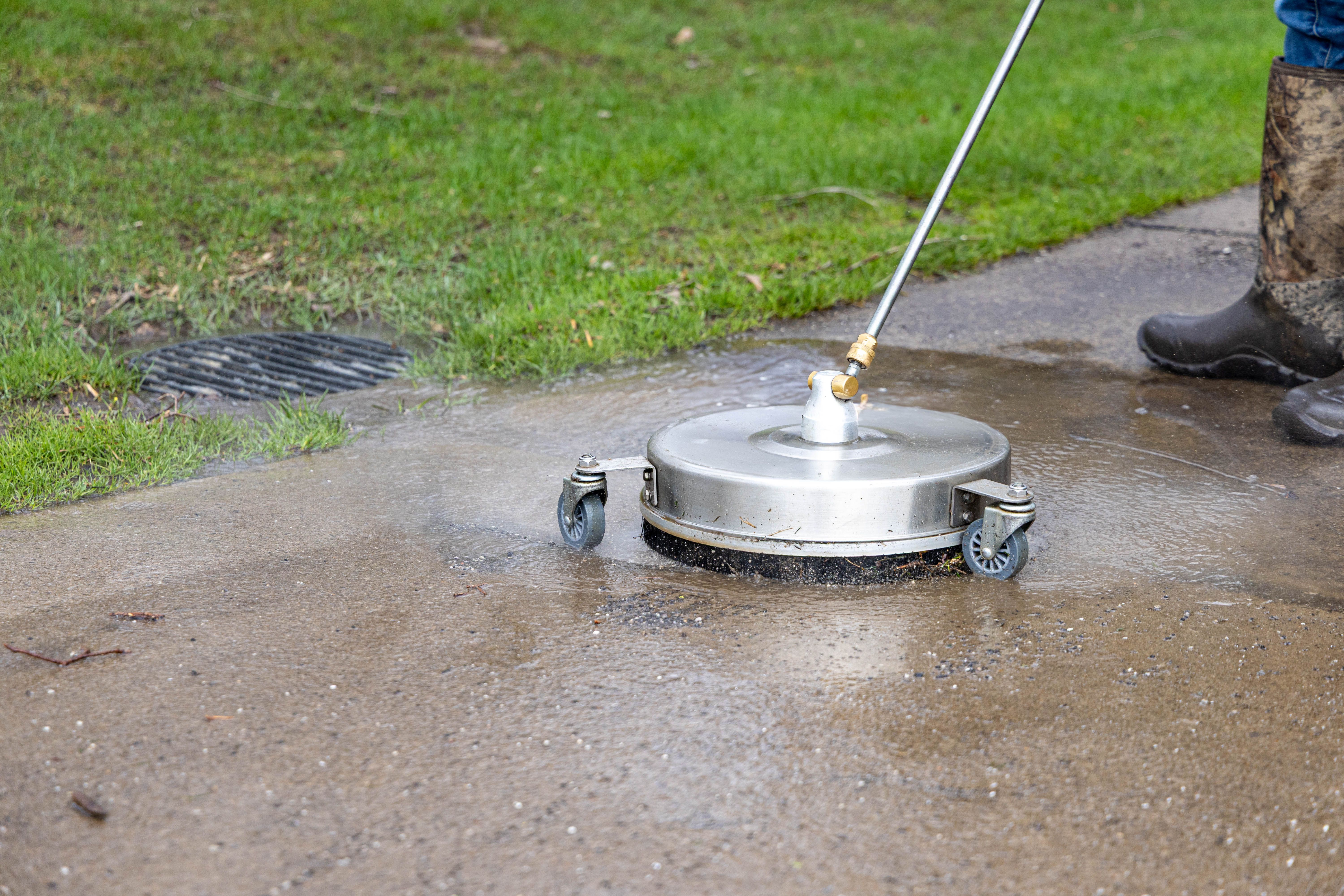
One of the most widespread beliefs is that pressure washing should only be performed by professionals. While hiring an expert can be beneficial for complex jobs, many homeowners can successfully tackle basic pressure washing tasks themselves. With the right equipment and a little practice, you can clean your driveway, patio, or siding effectively.
However, it's essential to follow safety guidelines and understand how to use the machine properly. Start with lower pressure settings and gradually increase as needed to avoid damaging surfaces.
Myth 2: Pressure Washing Can Damage All Surfaces
Another common misconception is that pressure washing will harm any surface it touches. While it's true that excessive pressure can cause damage, most surfaces are safe when washed at the appropriate pressure level. Materials like concrete, brick, and vinyl siding can generally withstand pressure washing without issues.
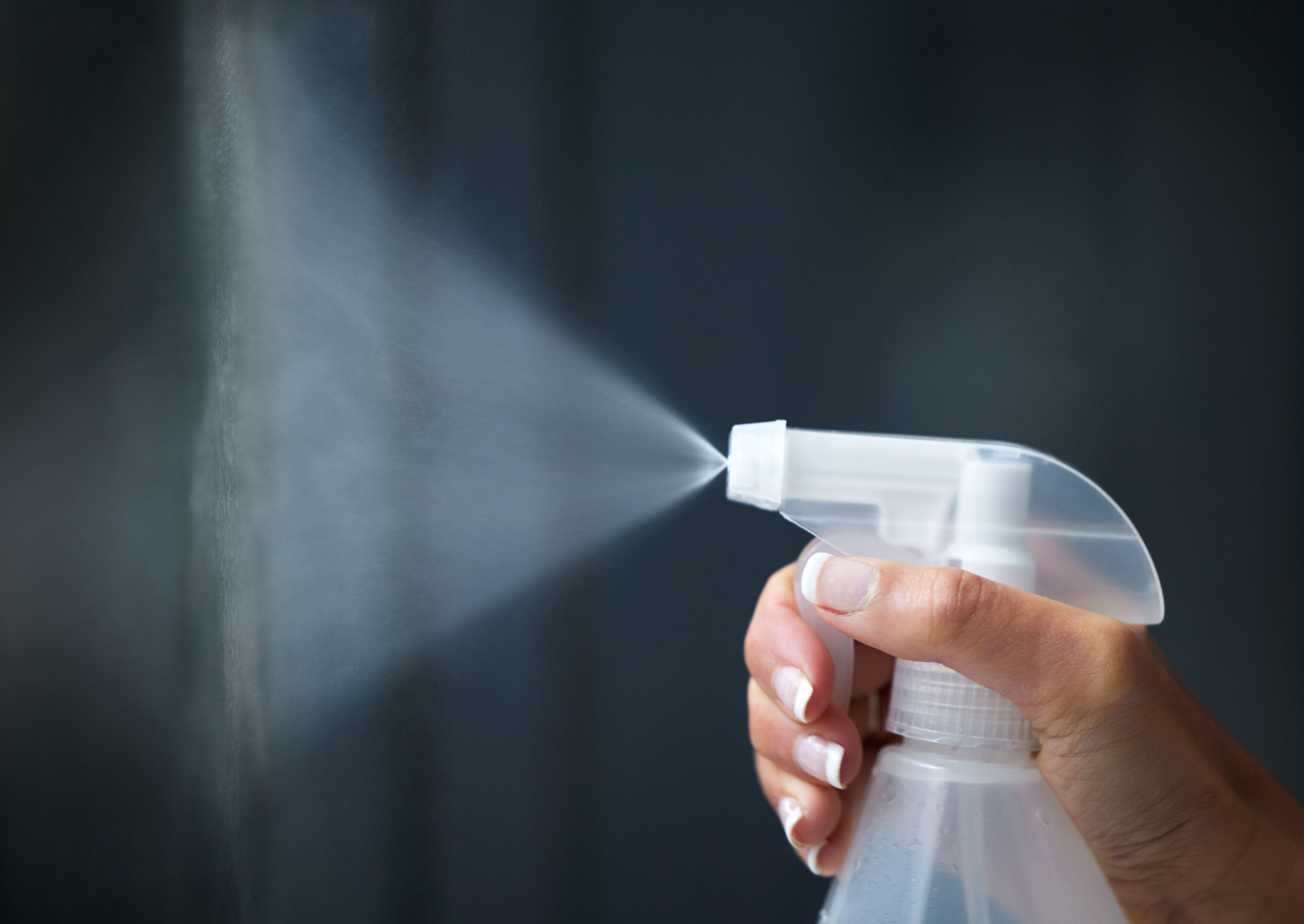
The key is to adjust the pressure and use the correct nozzle for each surface. Always test a small area first to ensure compatibility and prevent unwanted damage.
Myth 3: Pressure Washing Uses Too Much Water
Many people believe that pressure washing is wasteful and uses excessive amounts of water. In reality, pressure washing is often more water-efficient than traditional cleaning methods. The high-pressure system allows you to clean more effectively with less water.
Furthermore, modern pressure washers are designed to maximize efficiency, reducing water consumption while delivering powerful cleaning results. This makes them an eco-friendly option for maintaining your property.

Myth 4: Pressure Washing Is the Same as Power Washing
Pressure washing and power washing are often used interchangeably, but they are not the same. The main difference lies in the use of heated water. Power washing involves using hot water, which can be more effective in removing tough stains or grease.
Understanding the distinction helps you choose the right method for your cleaning needs. For most residential tasks, pressure washing with cold water is sufficient and less intense.
Myth 5: Pressure Washing Is Only for Outdoor Use
Lastly, some believe that pressure washing is limited to outdoor surfaces. However, pressure washing can be used indoors in certain situations, such as cleaning garages or industrial spaces. Specialized equipment and techniques make it possible to safely use pressure washing indoors.
When considering indoor use, it's crucial to consult with professionals to ensure proper handling and avoid potential damage or safety hazards.
Conclusion
Pressure washing is a versatile and effective cleaning method, but it's essential to separate fact from fiction. By understanding these common myths and how to approach pressure washing correctly, you can keep your property looking its best without unnecessary worry. Whether you choose to do it yourself or hire a professional, informed decisions lead to better outcomes.